The Great Post-Christmas Gift Card Dump (and Why Selling Yours for Cash Is a Mistake)
The Great Post-Christmas Gift Card Dump (and Why Selling Yours for Cash Is a Mistake)
Open your wallet on December 26th and there's a good chance something's wrong with it. Not empty — the opposite. It's stuffed with little plastic rectangles for stores you'd never set foot in. A card to a steakhouse, and you stopped eating red meat in 2019. Forty dollars at a home-improvement chain you've driven past maybe twice. Your aunt's annual contribution to a coffee company you don't like.
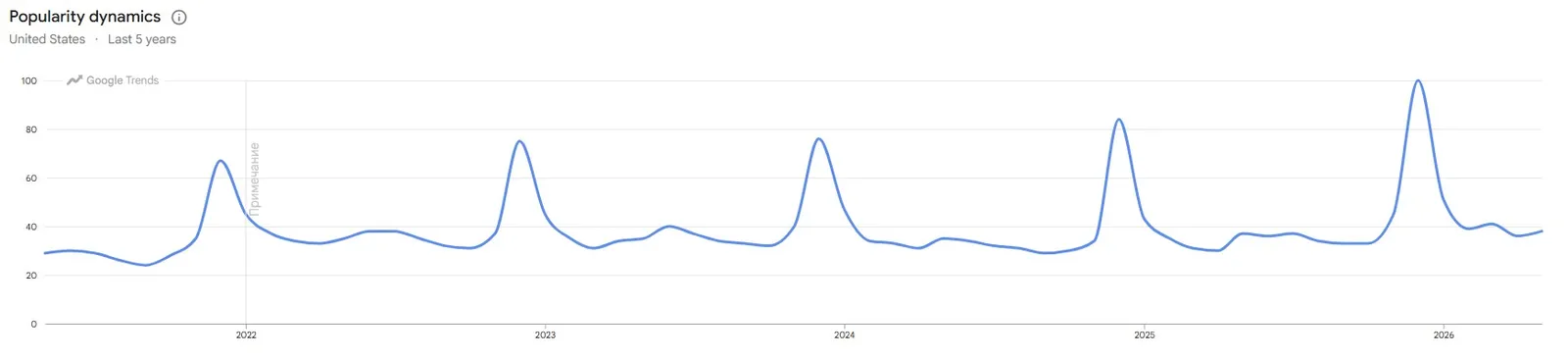
You're not imagining the pattern, and you're definitely not the only one living it. The days right after Christmas are, every single year, when Americans collectively decide to do something about the gift cards they don't want. Searches for "sell gift cards" shoot up. Resale sites hit their busiest stretch. And a lot of people make the same expensive mistake: they try to turn those cards into cash, fast, with whoever's offering.
That's the part worth slowing down on. Because the smart play isn't selling at all — it's trading the card you'll never use for one you actually will.
Why January Is Gift Card Graveyard Season
Gift cards top the most-wanted list for the holidays. They're also the gift people quietly resent most, and the reasons aren't complicated.
Half the time the store is just wrong for you. Someone grabs a card off the rack at checkout without really thinking about whether it fits your life. The other half, you get duplicates — three cards to the same sandwich chain, like everyone you know coordinated a prank. Then there's the simple exhaustion of December. By the 26th, nobody wants to go shopping again. They want the leftover value off their hands and turned into something they'll use.
So it piles up. Billions of dollars in gift card value gets shuffled, regifted, or just abandoned in a drawer every winter. Researchers have been pointing out for years that a big chunk of gift card money never gets spent at all. January is when people finally try to deal with it — and where the trouble starts.
The "Cash Buyer" Problem Nobody Warns You About
Type "sell my gift card for cash" into Google and you'll land in one of two places, neither great.
The first is the legitimate resale site that buys your card — and pays you well below face value. A hundred-dollar card comes back as seventy-something. You've just paid a 20–30% tax to convert your own money into slightly less money. People do it anyway, because cash now beats credit they'll never use. Fair enough. But it's a bad rate.
The second place is where it gets ugly. The post-holiday rush is also high season for gift card fraud, and that's not a coincidence. The FTC has been waving its arms about gift cards for years — they're a scammer's favorite tool because once the code and PIN leave your hands, the money's gone. No bank to call. No chargeback. No undo button.
The scripts are always slightly different and always the same:
The "buyer" who wants your card number and PIN up front "just to confirm it works," then drains it and ghosts you. The marketplace listing that exists only to harvest card details. The classic overpayment routine, where they send a fake payment screenshot and ask you to hand over the card first. Every one of them ends with your balance gone and your "buyer" untraceable.
Selling a gift card to an anonymous stranger online means trusting that stranger with the only thing that gives the card value. That's a lot of trust to extend to someone you found in a comments section.
The Option Most People Skip: Just Trade It
Here's the part that gets overlooked. You don't have to sell at all.
Somewhere out there is a person sitting on a card for a store you love, staring at it with the same irritation you're aiming at your steakhouse card. They want what you have. You want what they have. The whole problem solves itself the moment you connect — no cash, no discount, no stranger holding your PIN hostage.
A safe swap runs about how you'd expect. You list the card you don't want and name the kind you'd rather have. You get matched with someone whose wishlist is the mirror image of yours. The balances get verified before anything changes hands, so nobody's trading for an empty card. Then you exchange — card for card, full value both ways.
What's gone from that transaction is the exact part scammers exploit. You're not wiring anything to a "cash buyer." You're not posting your code in a public listing. You're trading with a verified member for a card worth the same as yours, with the balance confirmed up front. The fraud playbook just doesn't have a move here.
Sell vs. Swap, Plainly
Sell for cash and your best realistic outcome is keeping maybe 70–85% of the value — and your worst is keeping nothing, because the friendly buyer turned out to be a thief. Swap, and you keep the whole amount and walk away with a card you'll genuinely use. One path bleeds value and invites risk. The other quietly fixes the original problem: you got the wrong gift, so you turn it into the right one.
So, About That Drawer
If you're looking at a January stack of cards for places you'll never visit, do yourself a favor and skip the cash-buyer route entirely. The discount is steep and the scam risk is real — and it peaks at exactly the moment you're most tempted to take a shortcut.
Trade them instead. Keep every dollar. End up with the card you actually wanted in the first place. It's the same gift your relatives gave you — just pointed somewhere that makes sense.
This year, don't sell your holiday gift cards to strangers. Swap them for the ones you'll really use.